If you earn rental income in South Africa, SARS treats it as part of your taxable income — and it must be declared on your annual ITR12 return. Many landlords either overpay because they miss legitimate deductions, or get flagged because their figures don't reconcile. This guide walks you through exactly what to do.
1. Understand what counts as rental income
Rental income includes the monthly rent your tenant pays, plus any amounts you keep from a deposit (for example, to cover damage or unpaid rent). You declare the gross rental income first, then subtract allowable expenses to arrive at your taxable profit or loss.
2. Know which expenses you can deduct
SARS allows you to deduct expenses incurred in the production of that rental income, including:
- Bond interest (not the capital portion of your repayment)
- Rates, taxes and levies
- Insurance on the property
- Repairs and maintenance (not improvements)
- Managing agent and rental commission fees
- Advertising for tenants
- Accounting and bookkeeping fees
Improvements that add value (such as building an extra room) are capital in nature and are treated differently — they may reduce capital gains tax when you eventually sell, but they are not deductible against rental income.
3. Keep a clean, reconcilable record
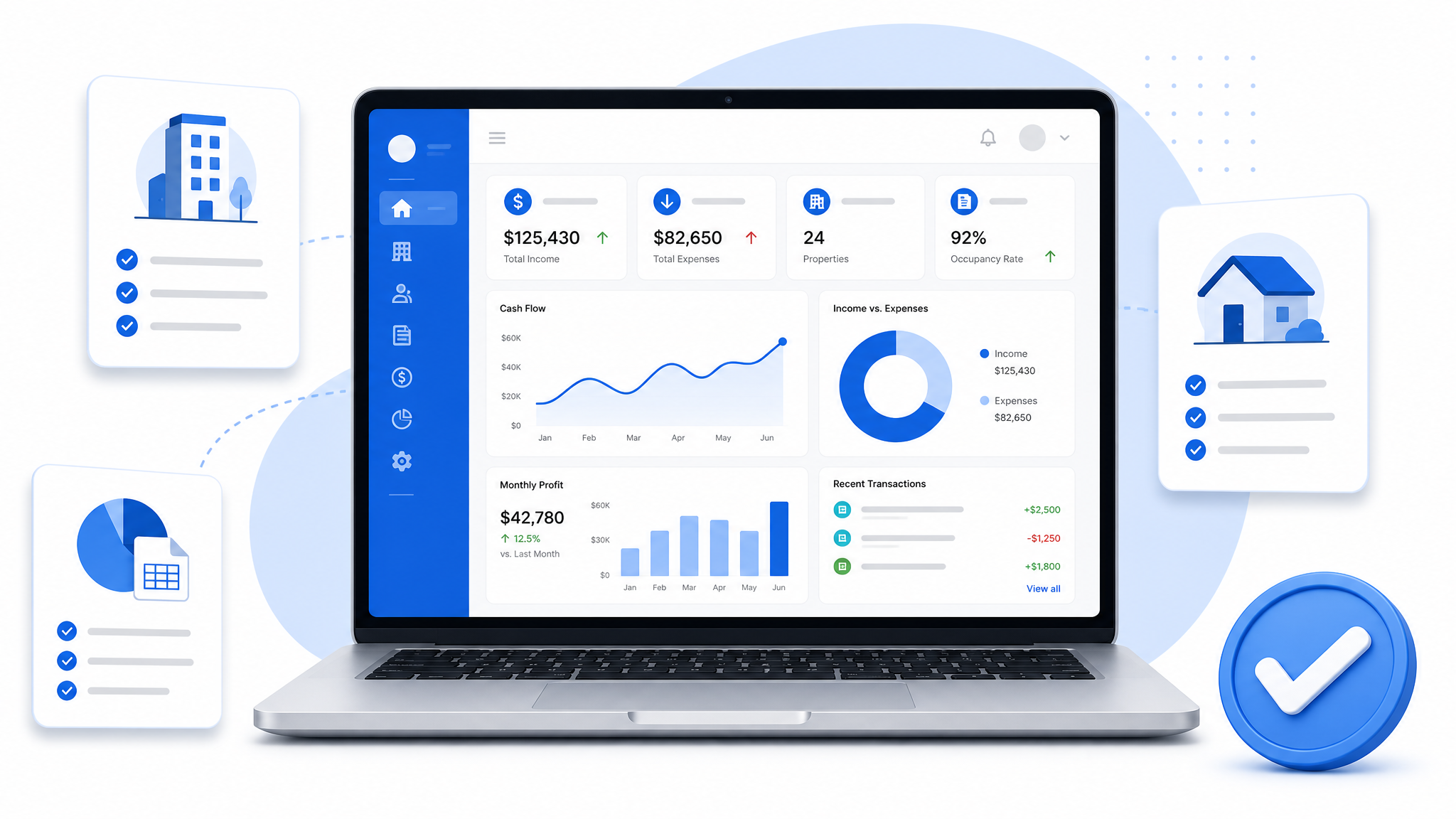
The single biggest cause of stress at filing time is disorganised records. SARS can request supporting documents, so you need every invoice, statement and receipt tied to the right property. This is exactly where property bookkeeping software saves you — income and expenses are categorised as they happen, so your annual figures are ready in minutes rather than days.
4. Complete the rental section of your ITR12
On eFiling, add the "Local rental income from the letting of fixed property" section to your ITR12. You'll enter your gross rental income and then your total expenses per category. If your expenses exceed your income, you'll show a rental loss, which — subject to SARS's ring-fencing rules — may be offset against your other income.
5. File on time and keep records for five years
Submit before the SARS deadline for non-provisional or provisional taxpayers (provisional taxpayers have a later deadline). Retain all supporting documentation for at least five years in case of an audit.
How BodmasBooks helps
BodmasBooks automatically categorises your rental income and expenses per property throughout the year and produces a SARS-ready ITR12 summary — so filing becomes a copy-and-paste exercise instead of a scramble. Start a free 30-day trial and see your numbers organised from day one.
This article is general information, not tax advice. Consult a registered tax practitioner for your specific circumstances.