What is Capital Gains Tax?
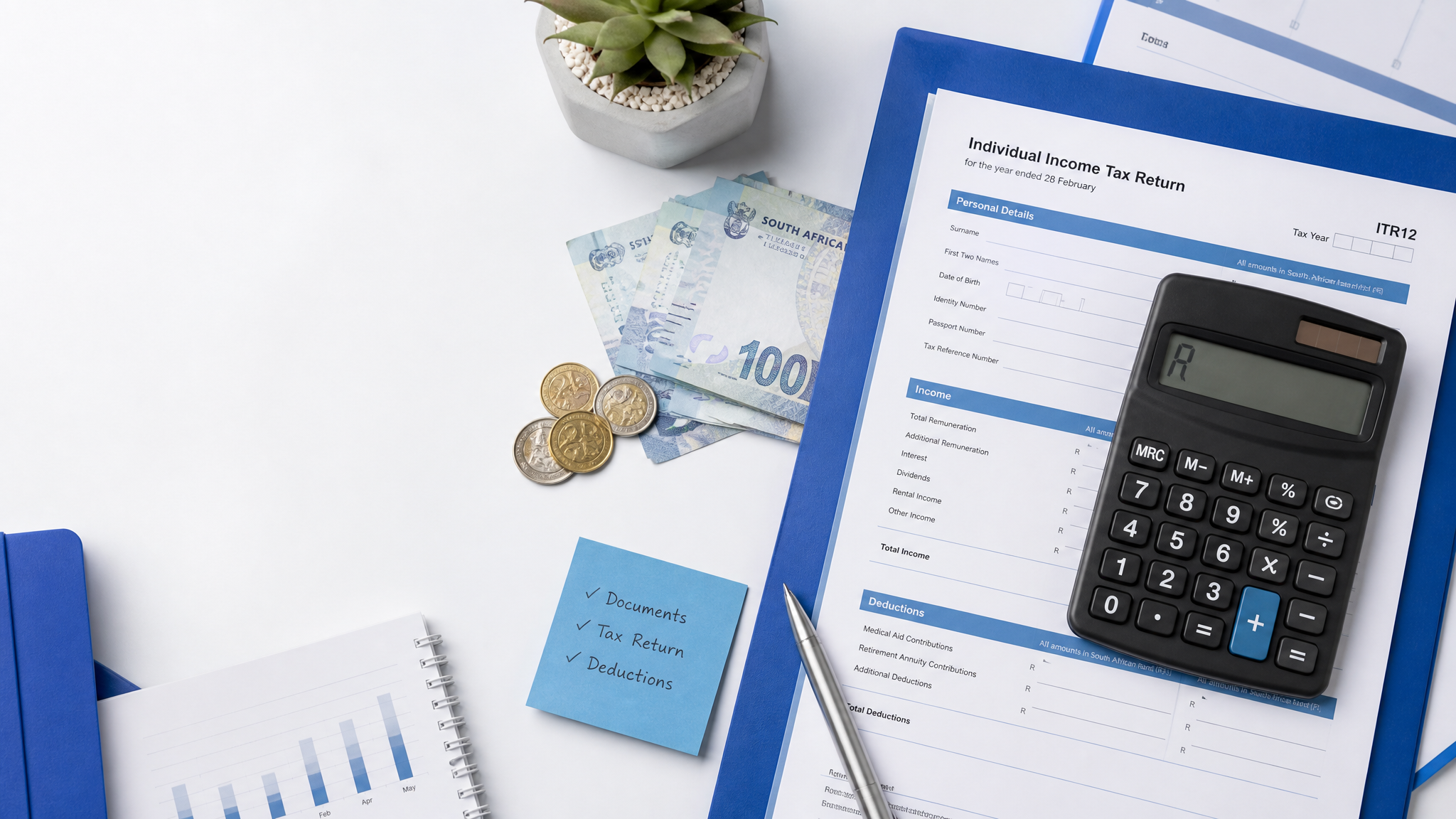
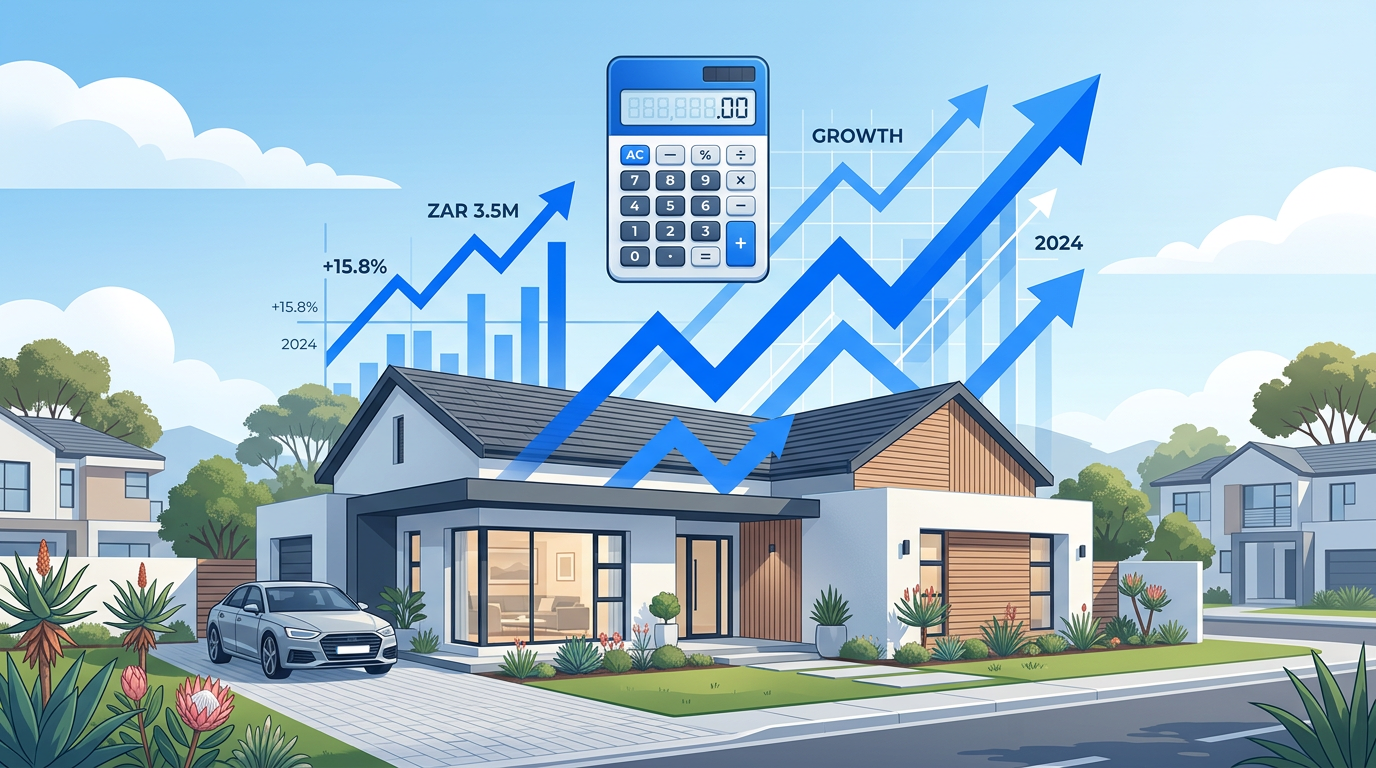
Capital Gains Tax (CGT) is not a separate tax — it forms part of your normal income tax. When you dispose of a capital asset (including a rental property) for more than its base cost, the gain is included in your taxable income at an applicable inclusion rate.
For individuals the inclusion rate is currently 40%, which means only 40% of your net capital gain is added to your taxable income and taxed at your marginal rate.
How to calculate your capital gain
The basic formula is:
- Proceeds — the selling price (less agent commission and transfer costs you pay as seller)
- Less base cost — the original purchase price plus qualifying improvement costs, transfer duty, bond registration costs, and conveyancer fees
- Equals capital gain (or loss)
Keep every invoice for improvements — a new roof, renovated kitchen, added security — because these increase your base cost and reduce your taxable gain.
The annual exclusion
Each tax year, the first R40 000 of your net capital gains is excluded. In the year of death the exclusion increases to R300 000. This exclusion applies across all your capital gains for the year, not per property.
Primary residence exclusion
If you lived in the property as your primary residence, you may exclude up to R2 million of the gain. However, if the property was rented out for part of the period you owned it, SARS apportions the gain between personal-use and rental periods — only the personal-use portion qualifies for the R2 million exclusion.
Timing matters
CGT is triggered at the date of disposal — typically the date of transfer in the Deeds Office, not the date you signed the offer to purchase. Plan your sale so it falls in a tax year where your other income (and therefore your marginal rate) is lower, if possible.
Record-keeping is everything
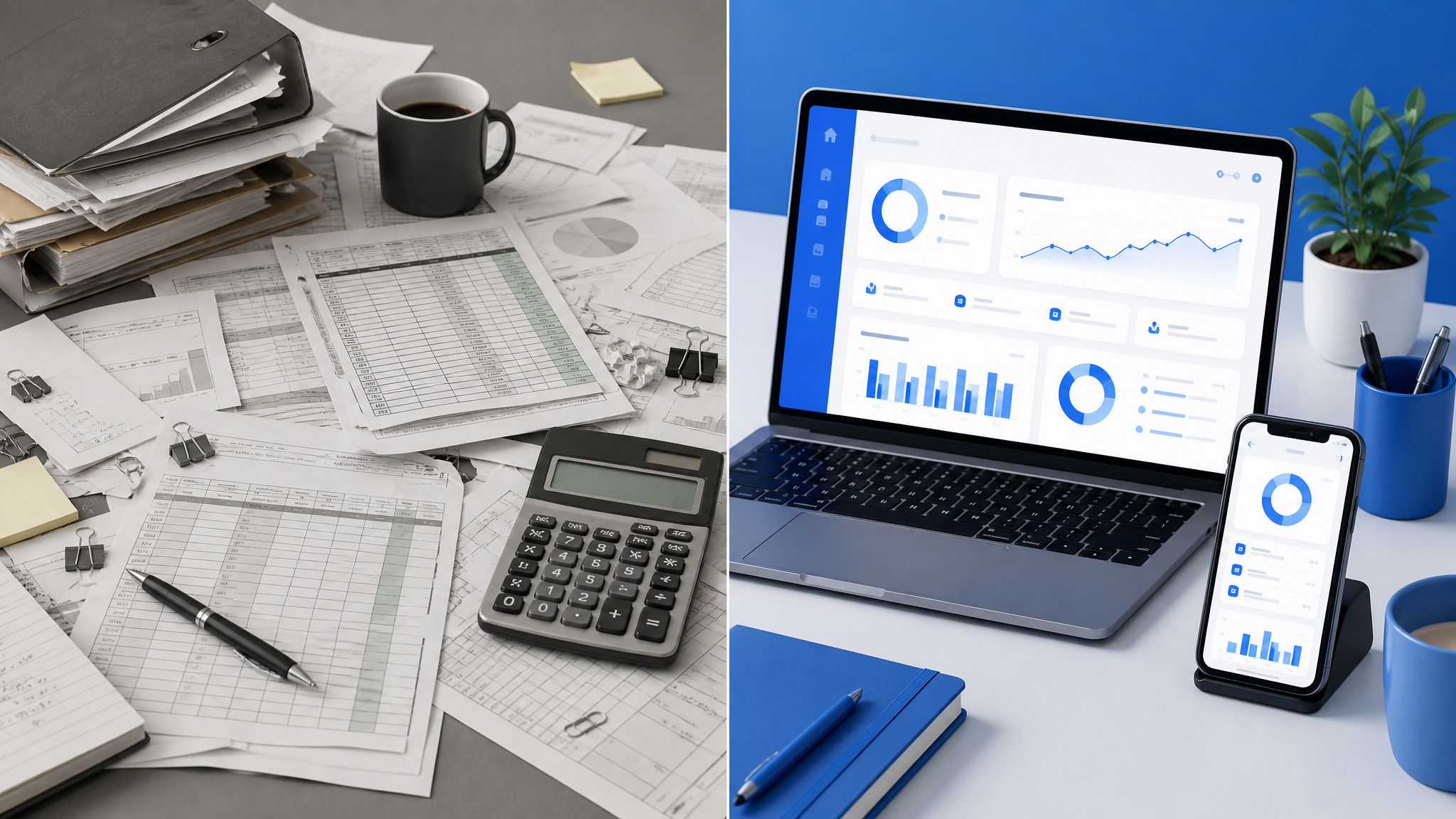
SARS expects you to keep records for five years after submitting the return in which the gain is declared. That means purchase agreements, improvement invoices, agent mandates, and bond statements must all be safely stored.
This article is general guidance, not professional tax advice. Consult a registered tax practitioner for your specific circumstances.
Let BodmasBooks keep your records in order
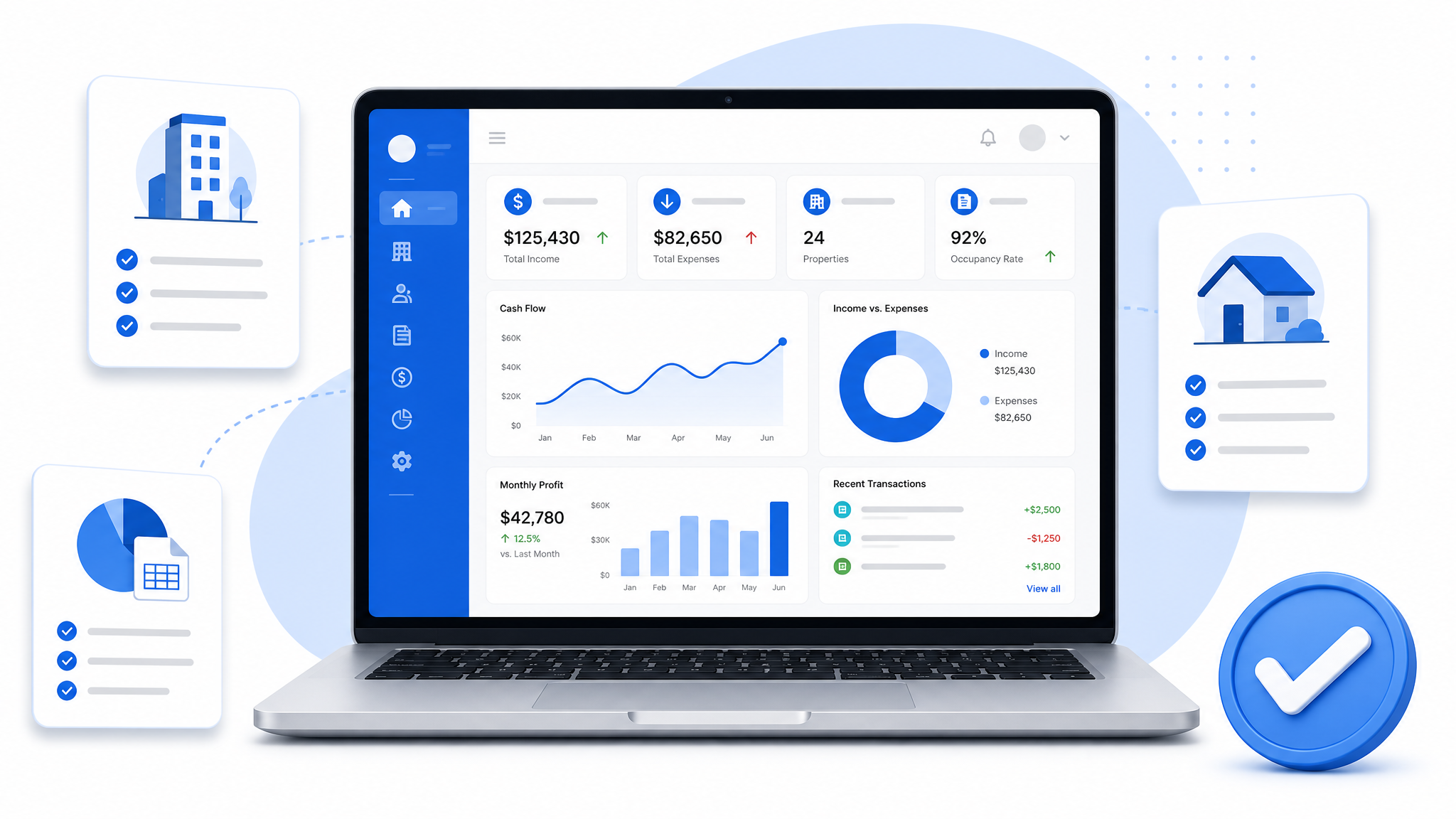
BodmasBooks automatically tracks every property expense — including improvements — so when it is time to sell you have a complete, auditable base-cost history ready for your tax practitioner. Start your free 30-day trial.