If you have ever won a big order and still ended the month worse off, your costing is probably lying to you. Most businesses spread overheads across products using a single blunt measure — labour hours, or a flat percentage of sales — and then make pricing and product decisions on numbers that were never accurate. Activity-based costing (ABC) fixes that by tracing overheads to the activities that actually cause them. This guide explains how it works and how South African businesses use it to make confident decisions.
What is activity-based costing?
Activity-based costing is a method of assigning indirect costs (overheads) to products, services and customers based on the activities that drive those costs — rather than smearing overheads evenly across everything you sell. Instead of asking "how do we spread R2 million of overhead across our products?", ABC asks "what activities consume that R2 million, and which products, services and customers trigger those activities?"
Traditional costing vs ABC
Under traditional costing, you pick one allocation base — say, direct labour hours — and apply overhead at a single rate. That works when overhead is small and products are similar. But modern businesses run machine setups, quality checks, procurement, deliveries, customer support and admin that have nothing to do with how many labour hours a product uses. A low-volume, fiddly product that needs ten setups and constant handholding looks cheap under traditional costing and expensive under ABC — because ABC charges it for the activities it actually consumes.
The result: traditional costing routinely over-costs simple high-volume lines and under-costs complex low-volume ones. You unknowingly overprice your winners and underprice the products quietly draining your margin.
The four building blocks of ABC
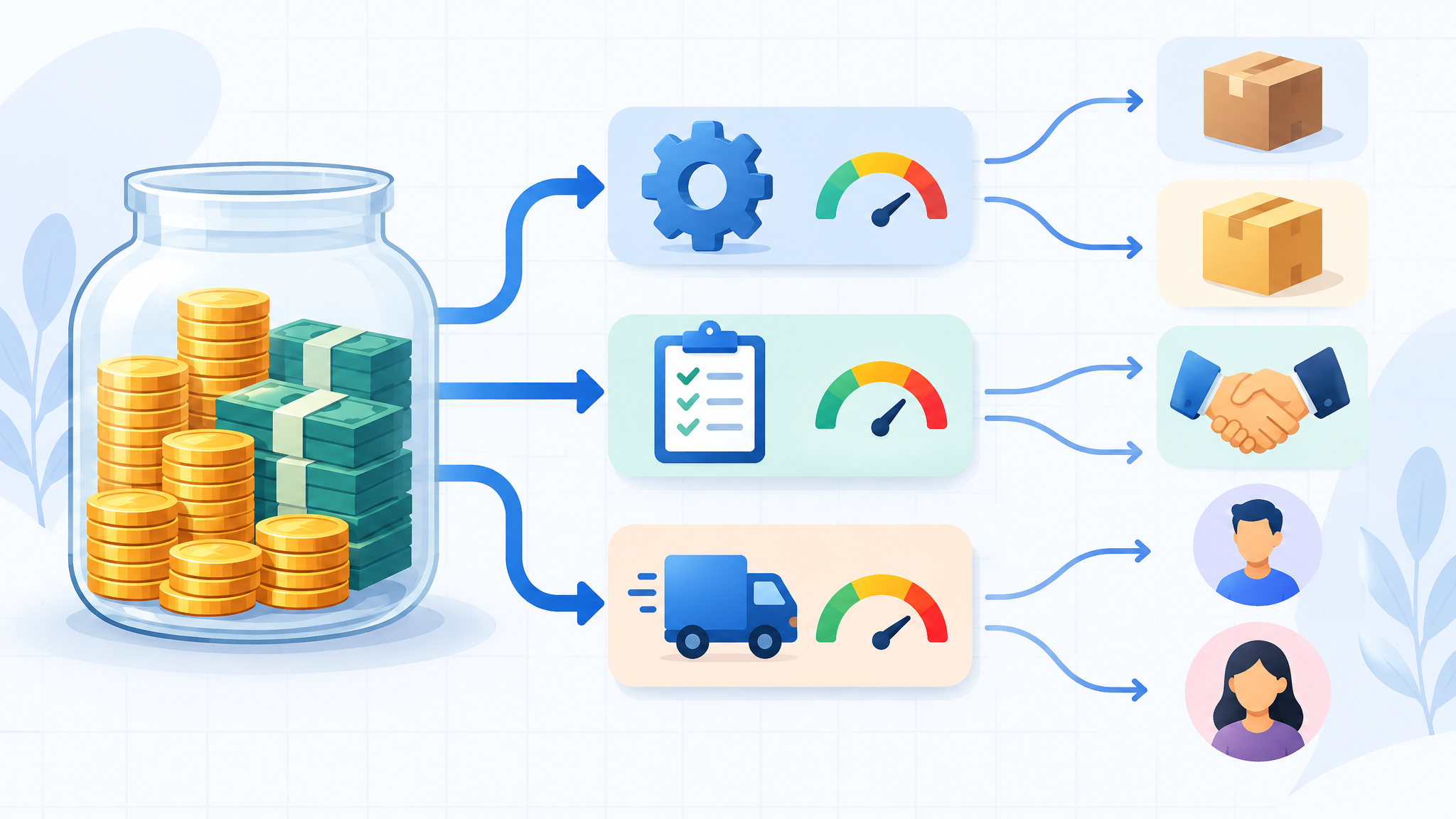
ABC follows a clear chain from your general ledger to a per-product, per-service and per-customer cost:
- 1. Cost pools. Group your overheads into logical pools — for example machine setup, procurement, quality control, warehousing, delivery and customer service.
- 2. Activities. Identify the activity that each pool represents. Each activity is something the business does that consumes resources.
- 3. Cost drivers. Choose the measure that best explains what causes each activity's cost — number of setups, number of purchase orders, number of inspections, number of deliveries, number of support calls.
- 4. Cost objects. Assign the activity costs to the things you want to measure the profitability of: products, services, jobs or customers, based on how much of each driver they consume.
A simple worked example
Imagine a small manufacturer with R600,000 of annual setup costs and 1,200 machine setups a year. The cost driver rate is R500 per setup. Product A is made in long runs and needs only 50 setups a year (R25,000 of setup cost). Product B is made in short, frequent runs and needs 400 setups (R200,000 of setup cost) — even if both sell the same number of units.
Under traditional costing, if you spread that R600,000 by sales volume, Product B would be charged far too little and Product A far too much. ABC reveals that Product B is a setup-hungry, margin-eroding line — and now you can act: raise its price, increase its batch size, or discontinue it.
Why South African businesses are adopting ABC
Margins are tight and input costs are volatile. Whether you manufacture, provide services, or sell a mix of products, you cannot afford to guess. ABC lets you:
- Price with confidence, knowing the true cost of every line.
- Expose loss-making products, services and customers you are currently subsidising.
- Understand spare capacity — the cost of resources you are paying for but not using.
- Run what-if scenarios before you change prices, drop a product, or take on a demanding customer.
How BodmasBooks Activity Based Management helps
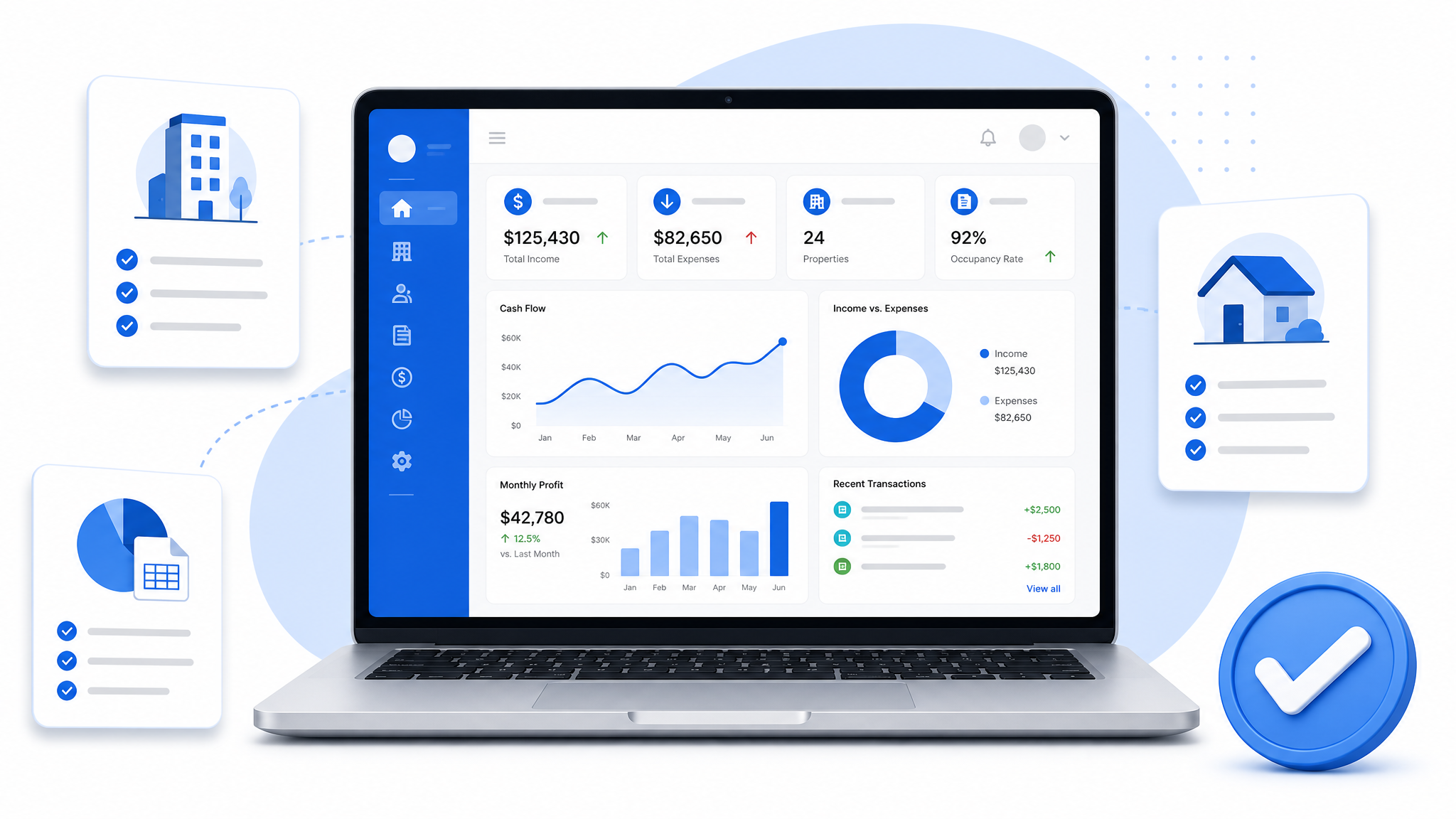
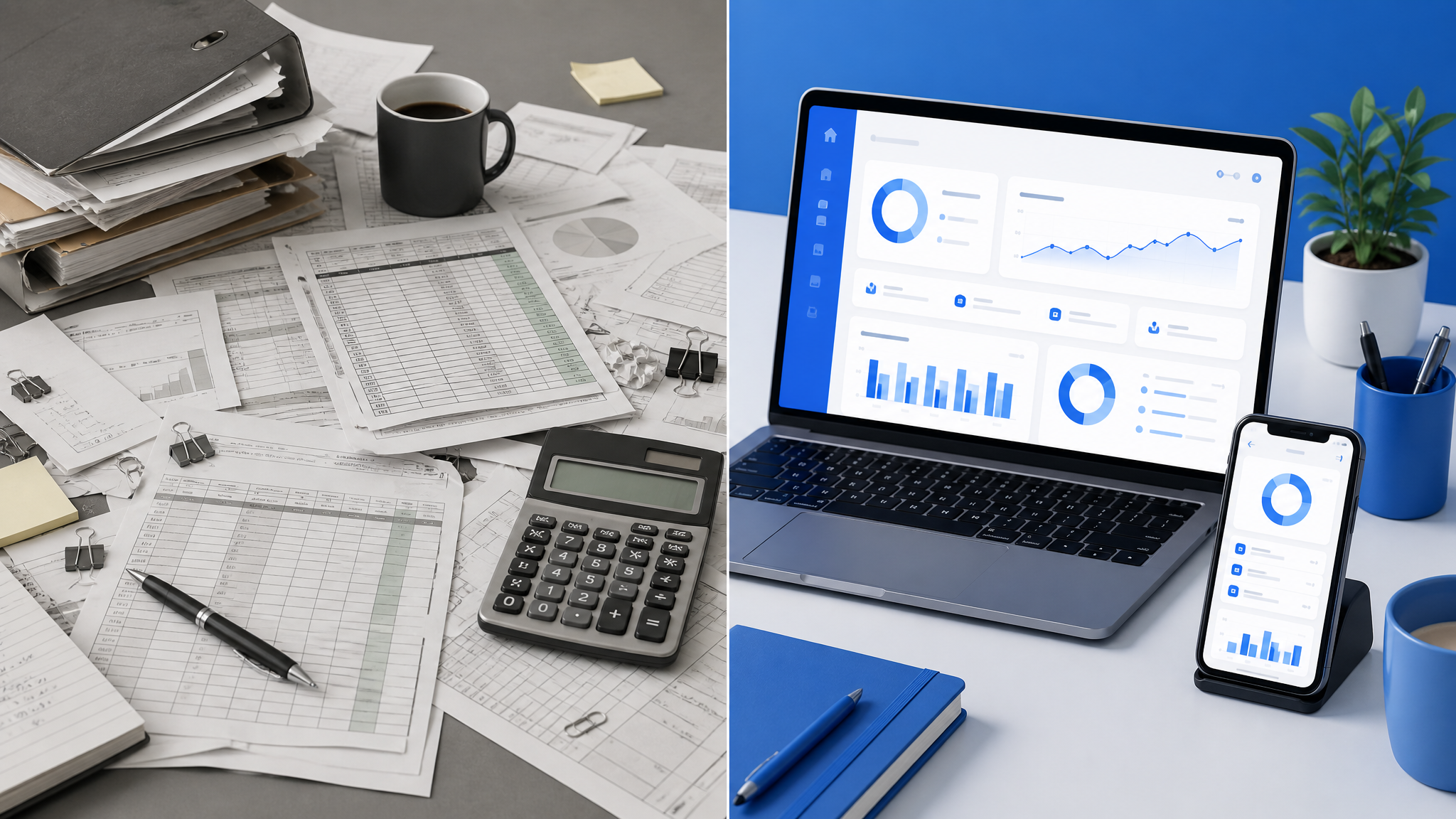
Building ABC in a spreadsheet is possible, but it becomes fragile and unmanageable the moment you have more than a handful of products or want to re-run the numbers. BodmasBooks Activity Based Management is purpose-built for it: map your trial balance into cost pools, define activities and cost drivers, and instantly see product, service and customer profitability. Model what-if scenarios, surface spare-capacity insights, and export a board-ready pack — with an AI costing assistant to guide you. See how Activity Based Management works or start a free 30-day trial.
This article is general information, not financial or accounting advice. Consult a qualified professional for your specific circumstances.